Investigation
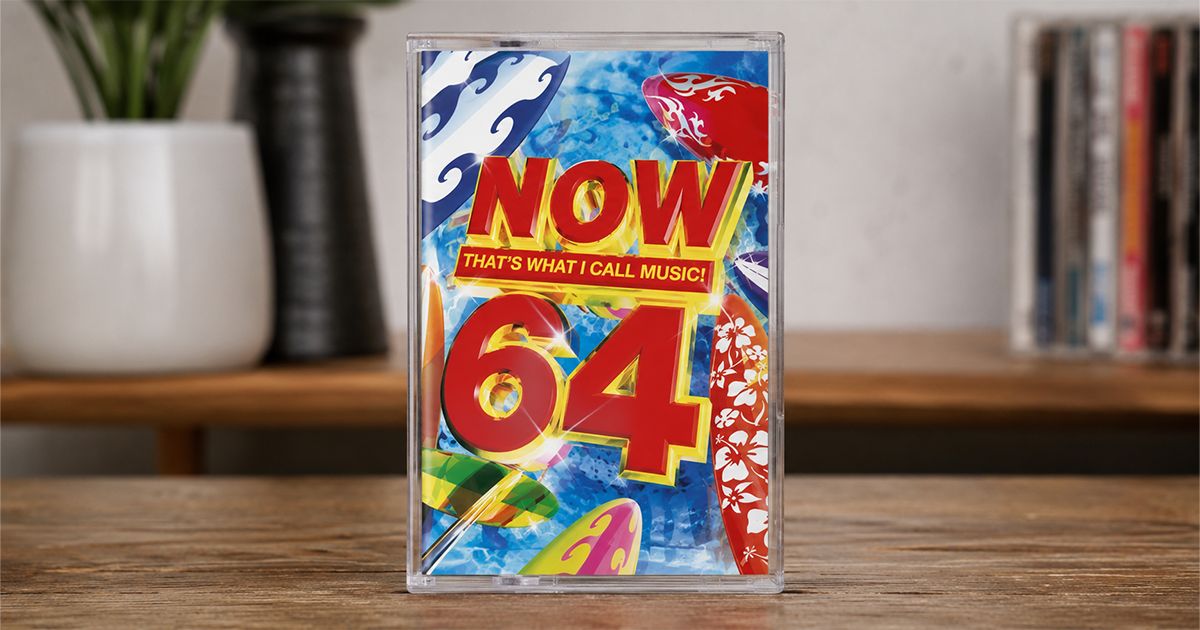
Now 64 Cassette Mystery
Did 'Now 64' ever get a UK cassette release? Discover the evidence, rumours, promotional material and why no physical copy has ever been verified.
Published 21 July 2026
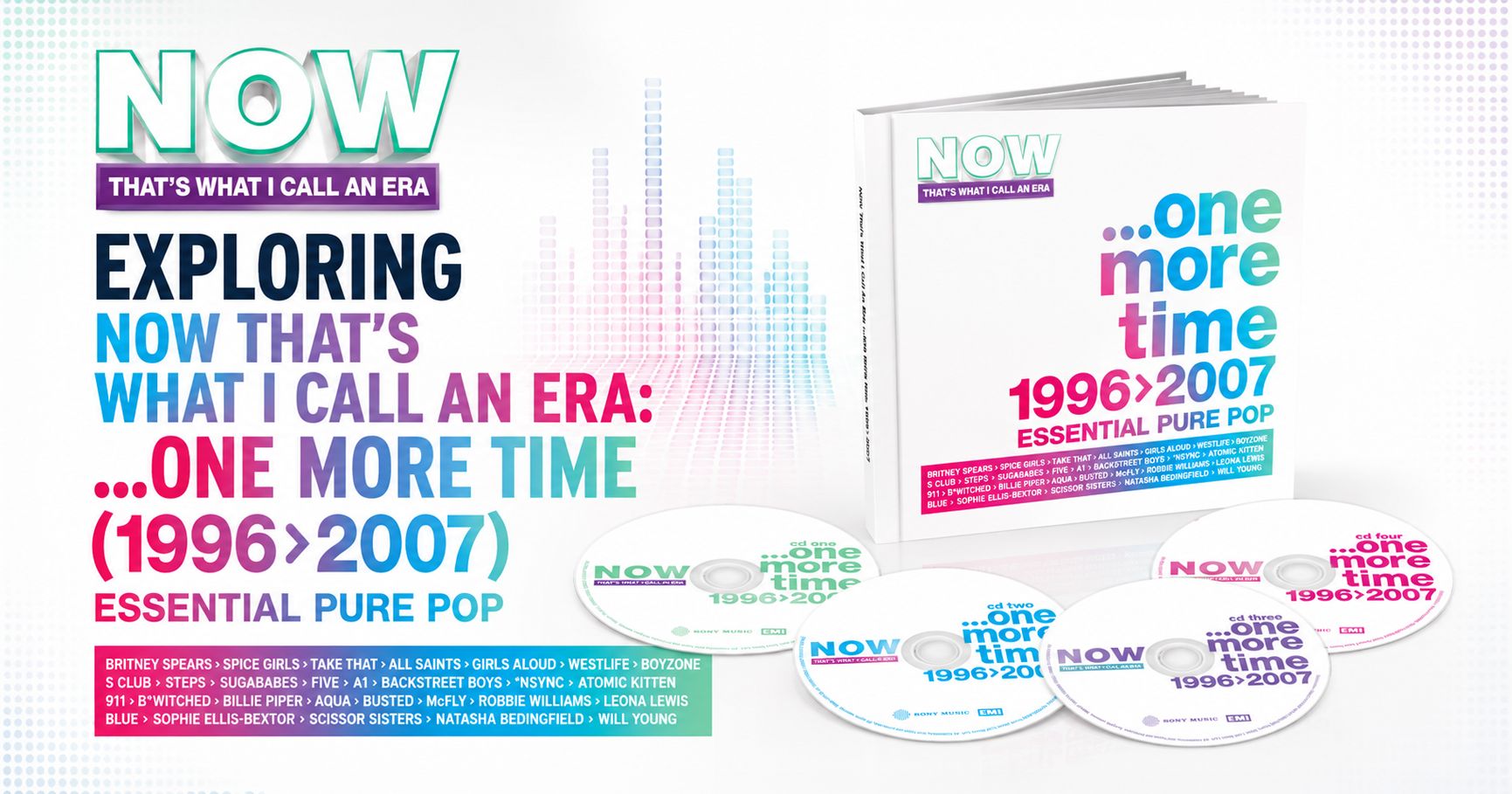
Every new NOW release tells a story. Sometimes that story celebrates a particular year, genre or musical movement. Sometimes it reflects changing tastes, forgotten favourites or the songs that defined a generation. The latest addition to the NOW That's What I Call An Era series does a little of all of those things.
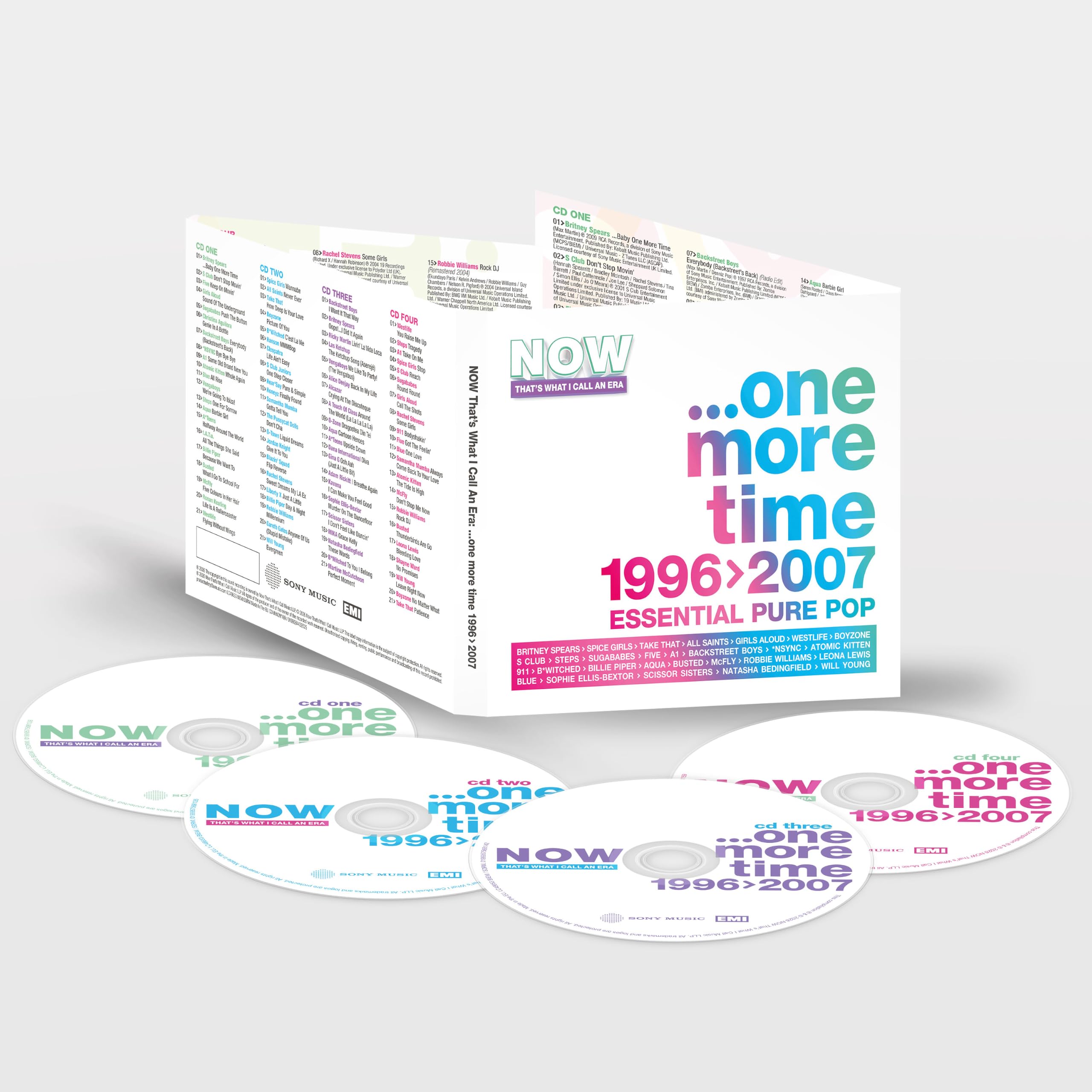
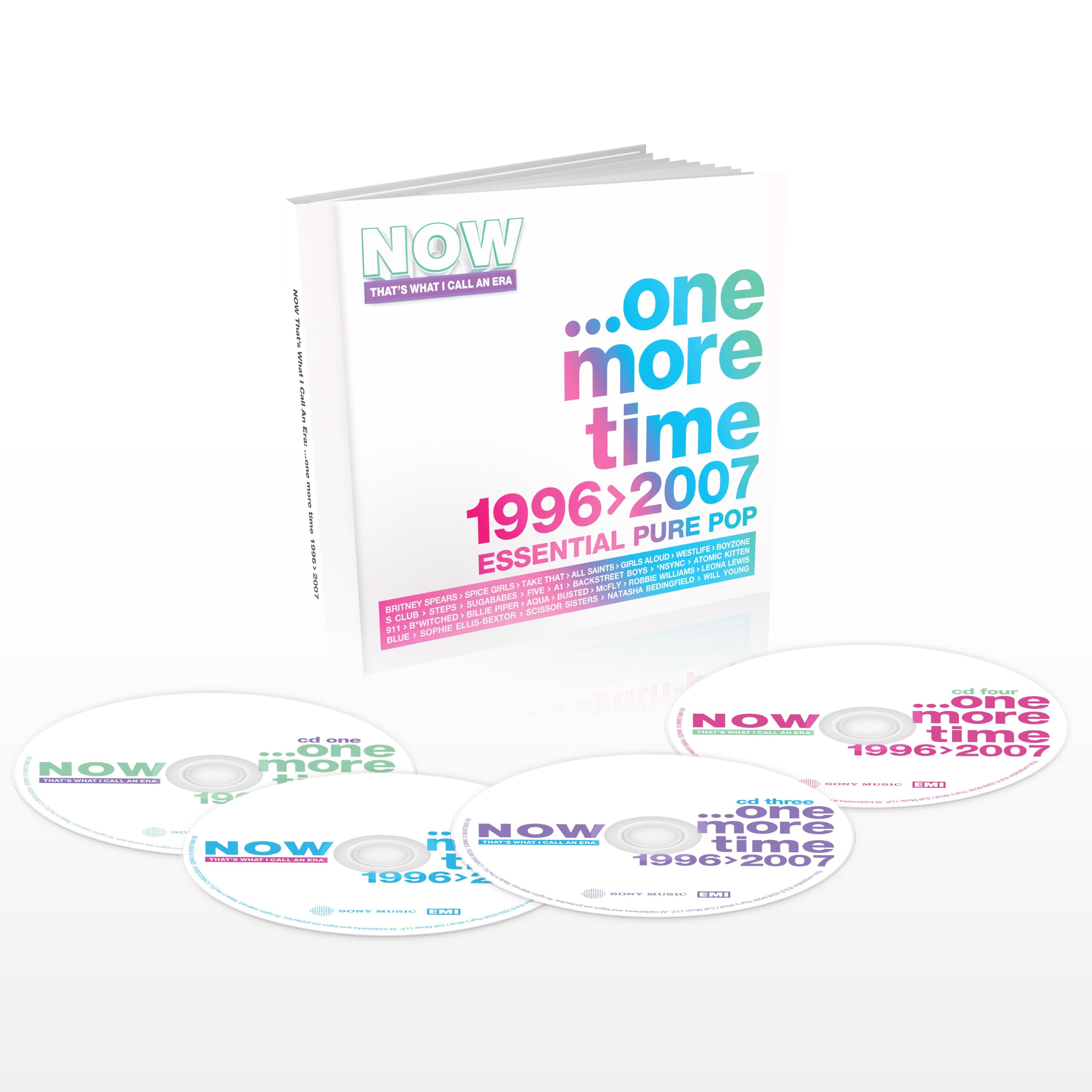
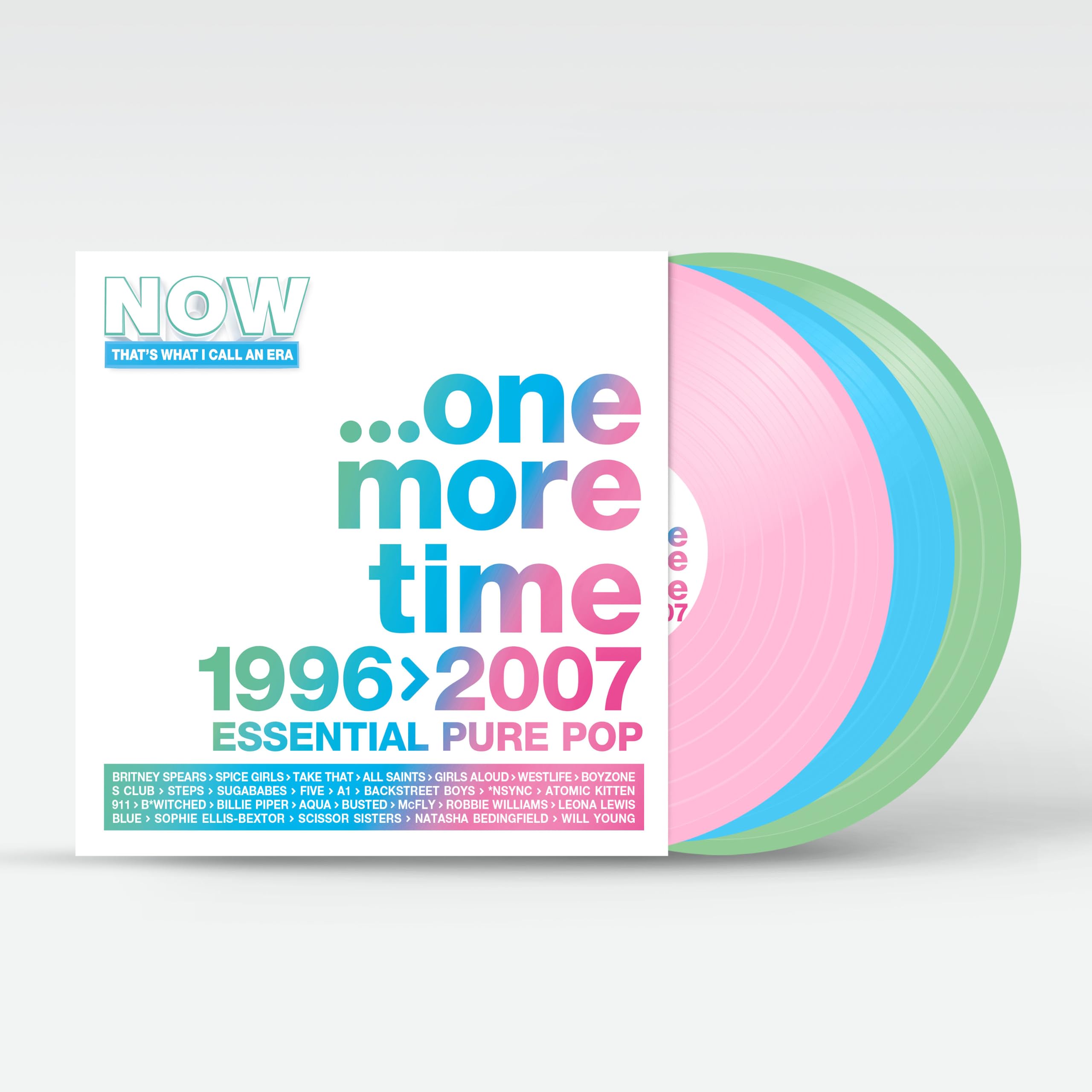
Released on Friday 11th September 2026, NOW That's What I Call An Era: One More Time (1996–2007) celebrates the 'Essential Pure Pop' era with 84 tracks across both the standard and deluxe edition 4CD sets. The deluxe edition also includes an exclusive 28-page booklet. A 48-track triple coloured vinyl edition completes the range. Featuring hits from Britney Spears, Spice Girls, Steps, Westlife, Sugababes and Girls Aloud, it's a collection built around some of the biggest chart hits of the late 1990s and early 2000s.
But beyond the official announcement lies a more interesting story. The tracklist reveals how the compilation has been curated, which artists define this era of pop and the notable names left out altogether. Combined with exclusive NOW Music Wiki statistics and collector reaction, there's far more to this release than a simple list of songs.
Using data from the NOW Music Wiki database, alongside observations from the tracklist and reactions from the collector community, this feature explores the latest Eras release in greater detail. Rather than simply revisiting the official announcement, it uses exclusive statistics and historical NOW data to examine what this compilation represents within the ever-growing NOW catalogue.
The Now That's What I Call An Era series celebrates specific musical movements rather than individual years. Previous releases have explored subjects including Disco, Synth-pop, Dance music and the post-punk landscape of the late 1970s, each bringing together defining tracks from across a carefully chosen period.
One More Time turns its attention to pop music of the period between 1996 and 2007. Rather than concentrating on a single subgenre, it celebrates a period when mainstream pop dominated the UK charts through solo artists, vocal groups and international crossover acts.
The decision to focus on the period between 1996 and 2007 is a deliberate one. Together, these years form a coherent chapter in UK chart history. From 1996 onwards, the UK charts saw the emergence of a new wave of chart pop led by artists who would dominate the charts for years to come, while 2007 provides a natural conclusion before the music industry underwent significant change as digital consumption transformed the way music was bought, discovered and enjoyed.
The era also captures the complete lifespan of many of its defining acts. Established chart favourites sit alongside artists launched through television talent shows, Europop acts enjoy international success and manufactured groups remain a major commercial force. Rather than attempting to document every musical trend of the time, the compilation focuses on the style of pop that became synonymous with the period, creating a collection that feels cohesive despite drawing material from more than a decade of chart history.
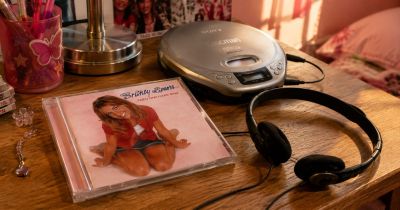
Opening with Britney Spears' "...Baby One More Time" provides a neat connection to the album's title, while immediately signalling the kind of mainstream pop the collection celebrates. From that point onwards, the emphasis remains firmly on atmosphere rather than chronology.
The tracklist blends chart favourites from across the period, creating a collection that feels remarkably cohesive despite drawing from more than a decade of music. Although several artists appear more than once, the compilation avoids allowing any single act to dominate, instead presenting a broad cross-section of the performers who shaped the defining pop records of the era.
The result is a collection that feels less like a retrospective and more like a carefully curated playlist. Songs from different years sit comfortably alongside one another because they share a similar energy and appeal, making the compilation feel like a cohesive listening experience rather than a history lesson.
Every NOW compilation faces the same challenge: balancing the biggest, most recognisable hits with the songs that collectors and long-time fans would love to see included. Lean too heavily towards familiar favourites and some listeners will question the lack of variety. Go too deep into the catalogue and the wider appeal of the release may be lost. It is a balancing act that has shaped the series for decades, and One More Time is no exception.
There is no universally correct answer because the audience itself is divided. For someone buying their first NOW album in years, or simply looking for a collection of the era's biggest pop hits, repeated appearances are largely irrelevant. In fact, omitting songs such as "Wannabe", "Tragedy" or "Flying Without Wings" would arguably leave the compilation feeling incomplete.
Long-time collectors often see things rather differently. Having followed the series for years, many already own these songs several times over. Every familiar inclusion represents one fewer opportunity for a forgotten chart hit, a deeper album favourite or a single that has rarely, if ever, appeared on a UK NOW release. It is this balance between broad commercial appeal and collector value that remains one of the most interesting aspects of modern NOW compilations.
Ultimately, the editorial team behind every NOW release faces a constant balancing act. A compilation designed purely for collectors might delight long-time fans but prove less appealing to the wider public, while one built entirely around the biggest hits risks criticism for relying too heavily on songs that already appear elsewhere in the NOW catalogue.
One More Time places the emphasis on recognisable chart hits rather than deep cuts, a decision that feels entirely consistent with its Essential Pure Pop branding. Rather than attempting to surprise listeners with obscure inclusions, it focuses on delivering the songs that defined the era's biggest pop successes. Whether that represents exactly the right balance will depend largely on which audience you ask.
The NOW Music Wiki database makes it possible to move beyond opinion and examine the figures behind the debate. Several songs on One More Time have already appeared on UK NOW albums many times before. "...Baby One More Time" reaches its 23rd UK NOW appearance, while "Wannabe" and "Tragedy" each reach 21.
At first glance, those figures might reinforce the perception that modern NOW releases rely heavily on familiar material. However, the database also provides evidence of greater variety. Alongside the established classics are tracks that have appeared only a handful of times, while "Same Old Brand New You" and "Halfway Around the World" make their UK NOW debut. The statistics therefore tell both sides of the story: repeated appearances reflect the enduring popularity of the era's defining hits, while first-time inclusions reward collectors looking for something genuinely new.
No compilation covering more than a decade of chart music can include every major artist. Every tracklist is shaped as much by the songs left out as those selected, and One More Time is no exception. While the collection succeeds in capturing the spirit of late 1990s and early 2000s pop, a handful of notable omissions are likely to spark discussion among collectors.

The timing was also noteworthy. Just one day after One More Time was announced, Kylie Minogue's albums Light Years, X, Aphrodite and Kiss Me Once were all reissued on vinyl. While there is no suggestion the two events were connected, the coincidence is one many collectors are likely to notice.
Kylie is unlikely to be the only omission readers notice. Some may point to artists such as Pink or Jennifer Lopez, while others will have their own personal shortlist of songs they feel deserved a place. Every listener's ideal version of One More Time would almost certainly look a little different, reflecting just how rich the era's pop catalogue had become by the mid-2000s.
Of course, omissions are an unavoidable consequence of trying to distil twelve years of chart music into just 84 tracks. Licensing considerations, editorial decisions and the need to create a balanced listening experience all influence the final tracklist, even if those decisions are never explained publicly. In many ways, the artists left out are just as revealing as those included, making the omissions one of the most enduring talking points surrounding every major NOW release.
The tracklist tells one story, but the NOW Music Wiki database reveals another. Looking beyond the songs themselves uncovers a wealth of statistics, from the most frequently featured tracks in UK NOW history to the remarkable chart success represented across the compilation and a number of unique milestones hidden within the tracklist.
Among the most frequently featured songs on One More Time, Britney Spears' "...Baby One More Time" reaches its 23rd UK NOW appearance, placing it among the most widely compiled songs in the history of the series. Close behind are the Spice Girls' "Wannabe" and Steps' "Tragedy", each making their 21st UK NOW appearance. Far from being isolated examples, they illustrate how certain songs have become permanent fixtures of the NOW catalogue thanks to their enduring popularity.
Commercially, the collection is equally impressive. Across its 84 tracks are 48 UK Number One singles, 76 Top 5 hits and 79 Top 10 hits. Those figures underline just how comprehensively One More Time captures the biggest chart successes of the late 1990s and early 2000s.
The wider NOW Pop catalogue has evolved considerably over the past decade. Readers interested in seeing how One More Time compares with previous NOW Pop collections can find a detailed breakdown in the NOW Pop Comparison.
The database also reveals that One More Time is not solely about revisiting familiar favourites. While many of the era's biggest hits return once again, "Same Old Brand New You" and "Halfway Around the World" both make their UK NOW debut, proving there is still room for the occasional surprise alongside the established classics.
The statistics also reinforce the editorial philosophy discussed throughout this feature. One More Time balances some of the most recognisable songs in NOW history with a small number of first-time inclusions, demonstrating that familiarity and discovery can exist side by side within the same compilation.
Perhaps the most difficult question surrounding One More Time has nothing to do with its tracklist at all. Whether the compilation succeeds will depend largely on who is buying it. The very same selection of songs that one listener considers an essential celebration of late 1990s and early 2000s pop may leave another wishing more risks had been taken. Few aspects of the release are as subjective as judging whether it strikes the right balance between familiar favourites and deeper catalogue choices.
For many buyers, One More Time is simply an opportunity to own the biggest pop songs of the era in one place. These listeners are unlikely to know, or care, how many times a particular song has appeared on previous NOW albums. It is much like a night out at Popworld. People do not expect the DJ to avoid playing "Don't Stop Movin'", "I Don't Feel Like Dancin'" or "Livin' La Vida Loca" because they have heard them before. They expect those songs to be played. The biggest hits become anthems for a reason, and their familiarity is often part of the enjoyment.
Many purchasers are likely to fall somewhere between those two extremes. They may not have bought a NOW album for years, but this collection offers a soundtrack to a particular chapter of their lives. Rather than searching for forgotten chart hits or long-overlooked singles, they are reconnecting with the music that defined school discos, family holidays, first cars or nights out with friends. Whether that means hearing "Because We Want To", "Pure & Simple", "All Rise" or "Gotta Tell You" again, the appeal lies as much in the memories as it does in the music itself.
Dedicated NOW collectors naturally approach the release from a different perspective. Having built collections spanning decades of albums, they are more likely to compare tracklists, count previous appearances and celebrate songs making their UK NOW debut. They may also find themselves wondering whether different artists, or less frequently compiled songs by artists already represented, might have created a more varied listening experience. Neither viewpoint is inherently right nor wrong. They simply reflect different expectations, and understanding that distinction goes a long way towards explaining why One More Time has generated such varied reactions.
Since One More Time was announced, discussion across social media and collector communities has been lively. Much of the reaction has reflected the same themes explored throughout this feature. Many have welcomed the concept and praised the decision to focus on pure pop, while others have questioned aspects of the track selection and the level of overlap with previous NOW releases. As with every major NOW announcement, opinion has proved far from unanimous.
Among the most positive responses has been enthusiasm for the era itself. Many fans have described the late 1990s and early 2000s as one of the strongest periods in modern pop, making One More Time an easy pre-order. The compilation's Essential Pure Pop identity has also been widely praised, as has the colourful artwork, with many commenting that it perfectly captures the energy of the period. Collectors have also welcomed the inclusion of "Same Old Brand New You" and "Halfway Around the World", both of which make their UK NOW debut after more than two decades. For many listeners, the tracklist promises exactly what they were hoping for: a celebration of the era's biggest and most memorable pop hits.
The criticisms have been equally consistent, although they generally reflect long-standing discussions surrounding the NOW series rather than concerns unique to One More Time. Collectors have questioned the repeated inclusion of songs that already feature across recent NOW releases, particularly alongside the Now Yearbook and Now That's What I Call Millennium collections. The absence of Kylie Minogue has also been raised frequently, while others have suggested that a handful of less frequently compiled songs might have added greater variety. Interestingly, many of these comments mirror the broader debate between delivering the biggest and most recognisable hits or creating space for deeper catalogue choices that appeal to long-time collectors.
Perhaps the most revealing aspect of the reaction is not which opinions have been expressed, but how passionately they have been shared. More than four decades after the first NOW That's What I Call Music! album appeared, each new release continues to generate lively discussion among fans and collectors alike. Whether celebrating the editorial choices or questioning particular omissions, the level of engagement demonstrates that the NOW series continues to occupy a unique place in British popular culture more than forty years after it began.
From the moment it was announced, NOW That's What I Call An Era: One More Time prompted a familiar question. What should a modern NOW compilation actually be? Should it serve as a definitive collection of the era's biggest hits, or should it dig deeper into the catalogue and reward long-time collectors with less familiar choices? As this feature has shown, there is no single answer because different audiences expect very different things from the same release.
Judged against its own ambition, however, One More Time largely succeeds. It never sets out to be an exhaustive history of popular music between 1996 and 2007, nor does it attempt to satisfy every collector's wish list. Instead, it embraces its Essential Pure Pop identity, bringing together many of the songs that defined the period for millions of listeners. Some collectors will inevitably wish different editorial decisions had been made, but few would argue that the compilation fails to capture the sound of mainstream pop during those twelve years.
Perhaps the greatest achievement of One More Time lies beyond the music itself. Long before its release, it had already reignited conversations about repeated songs, forgotten favourites, artist omissions and the delicate balance between nostalgia and variety. More than forty years after the first NOW album appeared, few compilation series continue to inspire this level of discussion. In that sense, the real legacy of One More Time may not simply be the 84 tracks it contains, but the enduring reminder that every NOW album tells a story, and every fan has their own idea of how that story should be told.